Empowering Students: A Tailored Approach to Self-Regulation and Adjustment in School Environments

Over the past few years, Dr. Ida Jeltova kept hearing variations on the same question from parents: “My child is smart and well-adjusted at home, so why do they have so many problems in the school environment?”
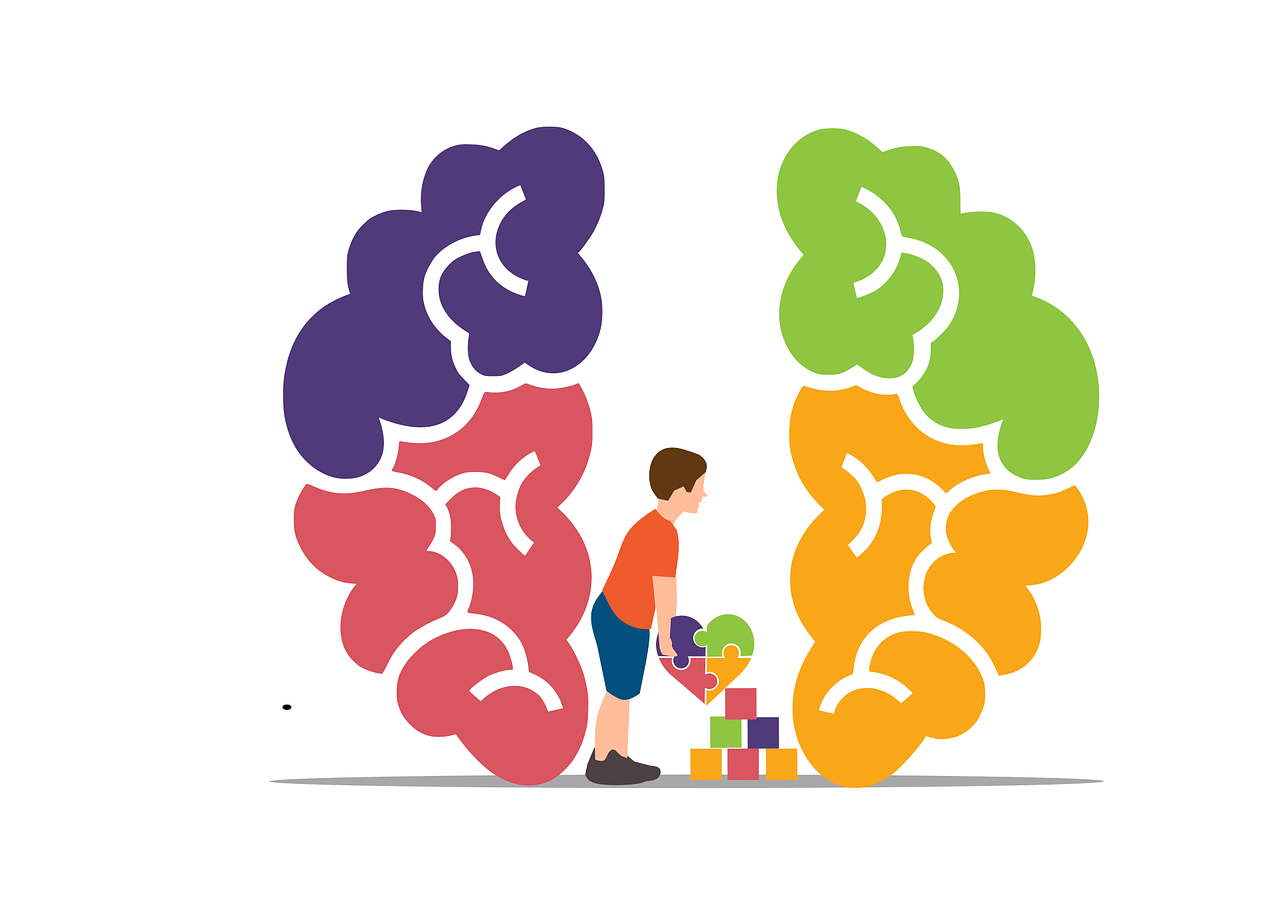
Inspired by this, Ida created a program for students from kindergarten through high school to help with adjustment and self regulation in and out of the school environment. “Post COVID and remote learning, I have noticed that many students didn’t develop the self-regulation skills that they need to succeed in school,” said Jeltova. “I find that most students have the potential, but lack the specialized support they need to find their strengths in the classroom.”
Based on her over 30 years of experience as a clinical psychologist, Ida’s program takes a “coaching” approach that focuses on developing new behaviors, shifting habits, and developing new and improved self-regulation skills. The goal is to help students to internalize these new self-regulation skills. The team works with parents, teachers, and school administrators to make sure that they are consistently reinforced on a daily basis.
Ida’s team’s approach blends evidence-based neuropsychological and cognitive-behavioral psychotherapy approaches with behavior management. “We create these greatest moments where students develop improved self-awareness and integrate better self-regulation and adjustment into their day-to-day lives.”
Every student is unique and needs a tailored approach. Most individuals with self-regulation and adjustment difficulties have a bouquet of challenges/symptoms that can’t be described by just one diagnosis. Hence, the team’s approach is focused on a person’s profile of strengths and
weaknesses and is driven by data-based treatment decisions.
Depending on the client’s needs, the program can be a combination of school-based and office-based coaching. For younger students, working directly in the school environment and with their teachers is ultimately more effective. Office-based work is often better for older students.
All the coaches are mental health professionals with advanced specialized training and supervision. Additionally, Jeltova’s team offers ADHD and ADIR testing, EMDR therapy, CBT, DBT, IFS, and Sensorimotor Psychotherapy for clients ranging from children to adults. She has a Park Slope location in Brooklyn, NY, and Ridgewood location in New Jersey.
“Many parents are not aware of the need for intervention their child needs who is struggling,” says Jeltova. “They think that the student will just grow out of it or that a new school will fix everything. These kinds of students keep struggling because their core issues are never addressed. Through coaching, we can develop your student’s skills and ultimately build their confidence and reduce their overall anxiety so that their day-to-day life is more positive and they can begin to feel more in-sync with their environment.”