
Therapy Resources

Helpful practical tips. Scripts for neurodivergent parents, for the moments that reliably go sideways.
Clients and therapists alike keep finding themselves in the overlap between undiagnosed autism, ADHD, OCD, and what looks like narcissistic parenting. What our families passed down may be wiring, and the generational trauma may be what came of nobody naming it.
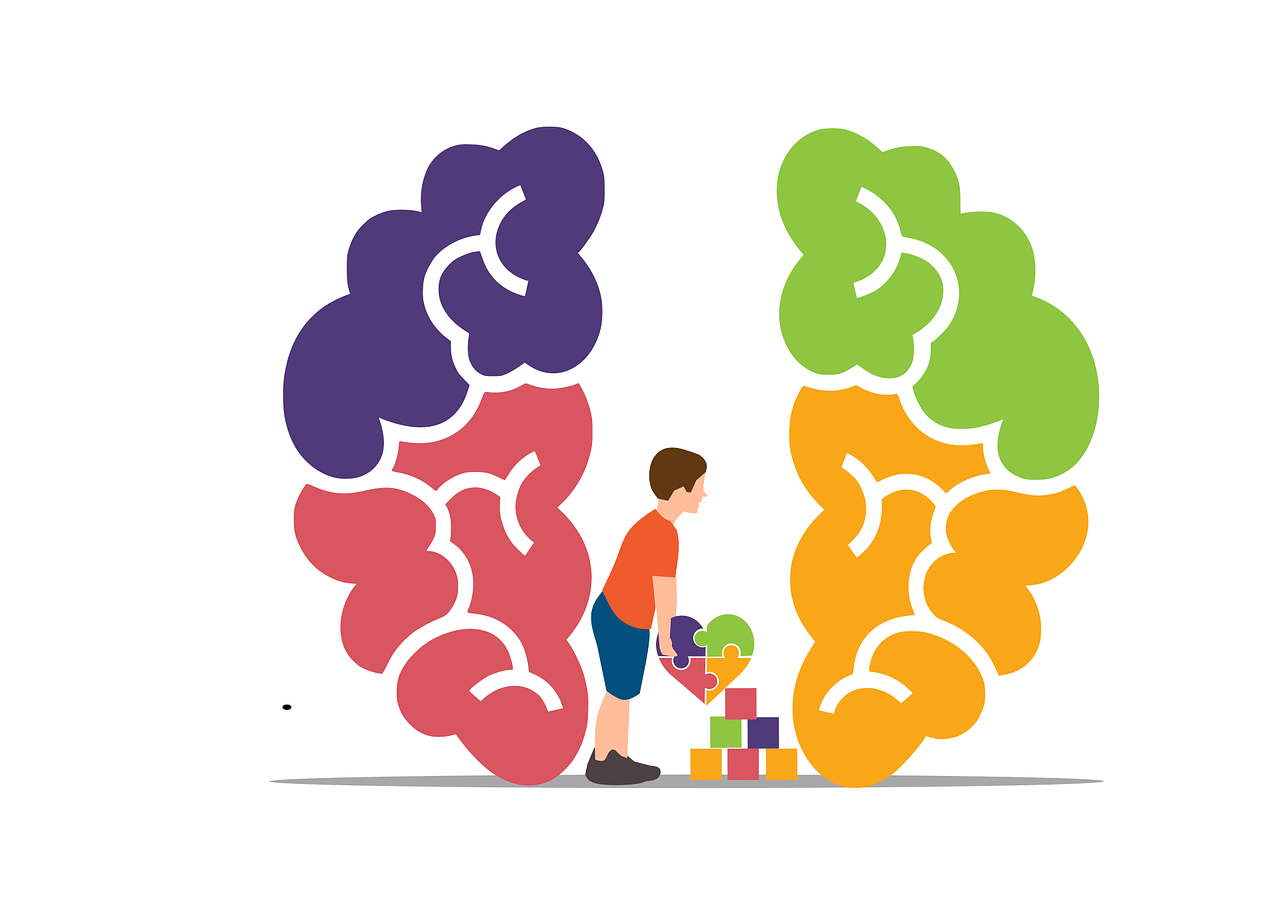
If you've ever had a client tell you a grounding exercise "didn't do anything" and weren't sure why, this reference is for you. It maps the common reasons resourcing stalls with neurodivergent clients — difficulty naming feelings, absent mental imagery, retrieval and attention differences, body-awareness and language-channel barriers — and pairs each with a practical adjustment. Observation-first and diagnosis-agnostic, it's meant to be usable at a glance, while flagging clearly which techniques sit within licensed clinical scope.

Perfectionism has a branding problem. Say it in a job interview, and it sounds like a humble-brag ("my biggest weakness is I work too hard"). Say it about an artist, and it sounds romantic. The genius who won't settle. Say it about someone with OCD, and it sounds like suffering. Say it about a narcissist, and it sounds like vanity.

They didn't forget your child's concert to hurt you. They didn't shut down during the argument to win it. Understanding the difference between neurodivergence and something more troubling could change everything.

Childhood attachment shapes adult personality and relationships. Learn how EMDR, DBT, IFS, and attachment-focused therapy can build earned security.

For gifted neurodivergent individuals, another person's inconsistent or illogical self-expression doesn't just feel confusing — it can set off a chain reaction in the body that arrives well before any conscious thought has a chance to intervene.

If you've ever heard the term Pathological Demand Avoidance and wondered where it fits in the autism conversation, you're not alone. There's growing debate among researchers, clinicians, and families about whether PDA is a standalone condition or, as many now believe, a distinct profile within the autism spectrum , particularly among autistic individuals who are high-functioning or have been late-identified.
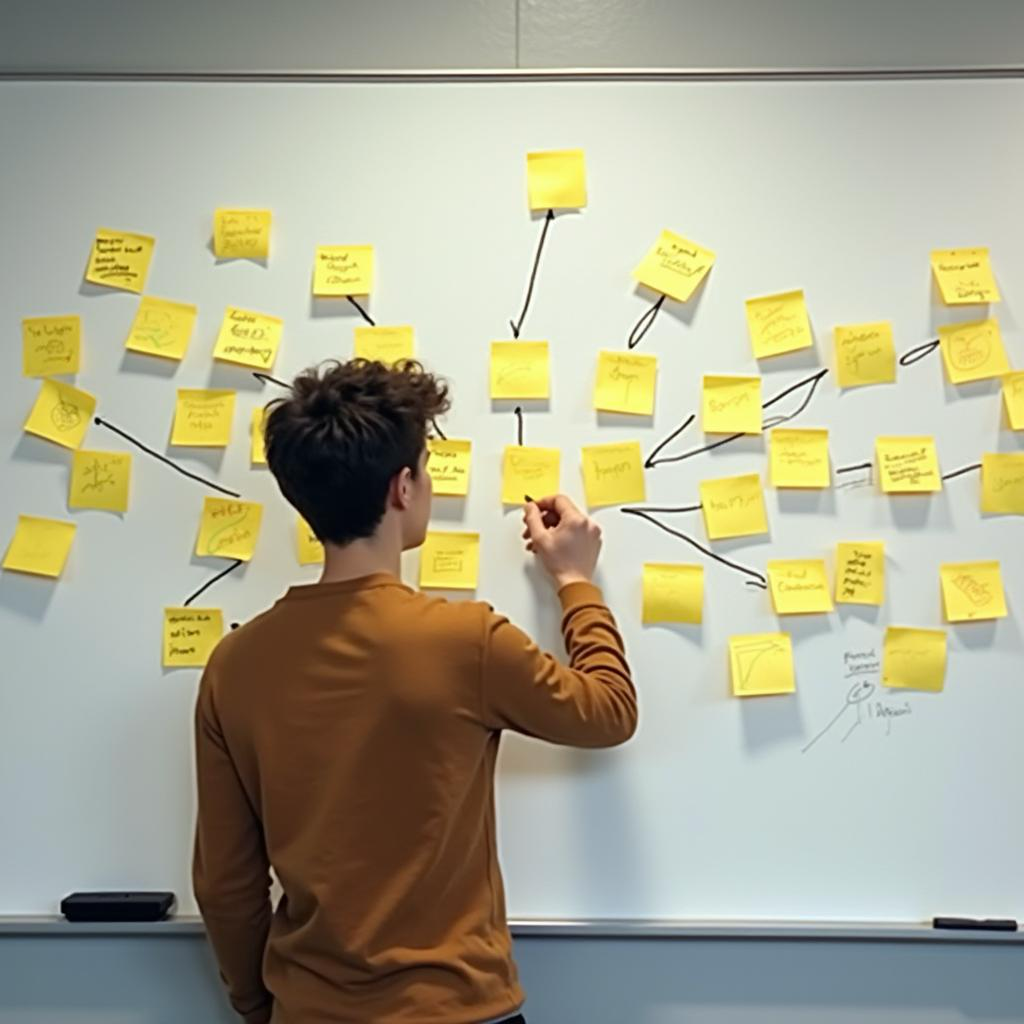
Executive Functioning Across Development: How to Support Children, Teens, and Young Adults Executive functioning skills—including planning, attention, emotional regulation, impulse control, organization, working memory, and flexible thinking—are essential for success in school and life. Yet these skills do not develop all at once. Executive functioning develops slowly and unevenly, well into early adulthood, and requires intentional teaching, practice, and support. Parents and educators often expect children and teens to manage themselves independently before their brains are developmentally ready, especially during stress. This article explains how executive functioning develops from early elementary through college and outlines what effective support looks like at each stage.
Let's Talk
The first step in therapy is talking. Let's find a time where we can meet and talk about what's on your mind.