Live Sports Events and Mental Wellness
Going to a live sports game isn’t just fun—it helps your brain relax and feel happier!
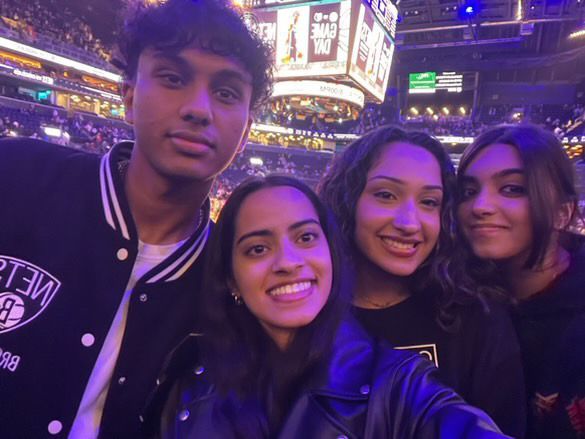
Greatest Moments Therapy gives back to the community by providing tickets to live sports events, Nets and Knicks, Rangers games. Why?
What is the connection between attending live sports events and mental wellness?
Let us unpack that :)
Proactive approach to mental health is about a creating moments that are joyful and meaningful. Here’s how attending live sports events helps:
1. Taking a Break from Stress (Burnout Prevention)
Burnout happens when you feel too tired, stressed, or overwhelmed from doing too much. Watching a live game is a great way to take a break, have fun, and recharge your energy. It’s like pressing the “refresh” button on your brain!
2. Happiness from Being with Others (Social Connection)
Cheering with friends, family, and other fans makes you feel part of something big! Feeling connected to others is one of the best ways to prevent burnout and feel happy.
3. Excitement and Positive Emotions
Games are full of exciting moments that make you feel happy, hopeful, and energized! Positive psychology says that feeling good emotions—like cheering for your team—helps you stay strong, even during tough times.
4. Being in the Moment (Mindfulness)
Watching a live game keeps you focused on the action, not on things that might be stressing you out. Being fully present in the moment helps your brain rest and feel less overwhelmed.
5. Energy and Motivation Boost
Jumping up, clapping, and celebrating during a game gets your body moving, which helps your brain release endorphins—the “happy chemicals” that boost your energy and fight stress.
6. Learning Optimism and Resilience
Sometimes your team wins, sometimes they lose—but you keep cheering no matter what! Learning to stay hopeful and enjoy the experience teaches you resilience, which helps you handle life’s challenges without burning out.
So, the next time you go to a sports game, remember—it’s not just about the score. It’s about taking care of your mind, having fun, and staying energized for all the other things you love!
So, the next time you go to a sports event, enjoy the fun, cheer loudly, and remember—it’s good for your heart and mind! Stay tuned and win tickets from GMT to attend MSG!
Reach out for more information about our services drj@jeltova.com.