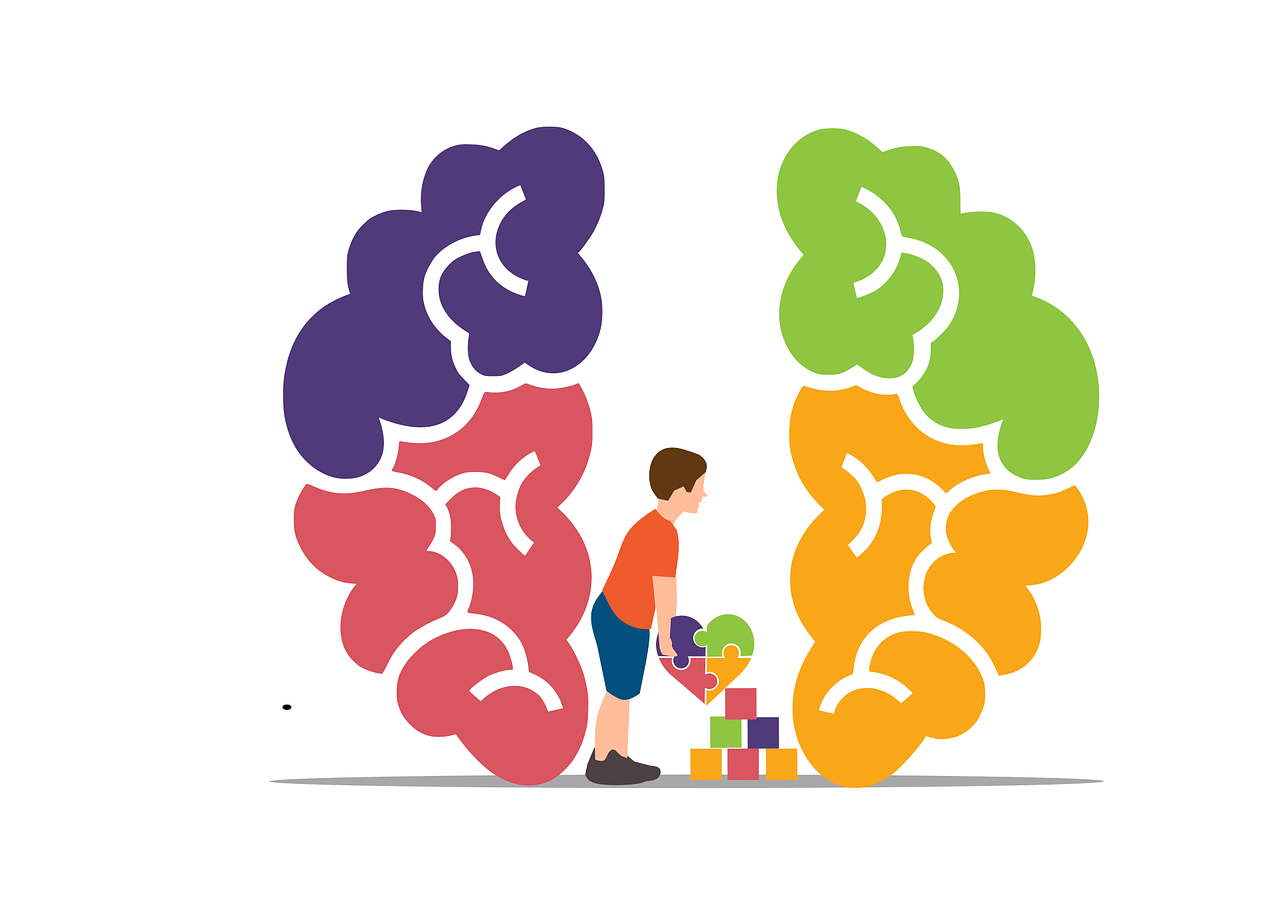
When Kids Know Better but Can’t Do Better
Executive Functioning Across Development: How to Support Children, Teens, and Young Adults
Executive functioning skills—including planning, attention, emotional regulation, impulse control, organization, working memory, and flexible thinking—are essential for success in school and life. Yet these skills do not develop all at once. Executive functioning develops slowly and unevenly, well into early adulthood, and requires intentional teaching, practice, and support.
Parents and educators often expect children and teens to manage themselves independently before their brains are developmentally ready, especially during stress. This article explains how executive functioning develops from early elementary through college and outlines what effective support looks like at each stage.

What Is Executive Functioning?
Executive functioning refers to the brain’s ability to:
- Plan and organize
- Start and complete tasks
- Regulate emotions and impulses
- Hold and manipulate information (working memory)
- Shift flexibly between tasks or ideas
- Monitor behavior and performance
These skills are responsible for how we manage ourselves, not how smart we are.
Core Principles To Follow When Coaching EFs
Regulate Then Educate
Learning happens best when the nervous system is regulated. In early elementary, children rely almost entirely on adults to help them calm before learning can occur. By late elementary, children may know coping strategies but still need reminders to use them. In early middle school, emotional reactivity increases due to rapid brain development, making regulation even more important. During late middle school, students benefit from understanding how emotions affect thinking, but still require proactive breaks and support. In early high school, teens may recognize stress but struggle to intervene independently. In late high school, students regulate more effectively but still need flexibility during high-pressure periods. Even in college, learning is compromised when sleep, stress, and emotional health are unmanaged—making regulation foundational at every stage.
Connect Then Correct
Executive functioning improves in the context of safe, trusting relationships. In early elementary, warm and responsive adults guide behavior. In late elementary, validation before correction keeps students engaged. During early middle school, heightened sensitivity means correction without connection often causes shutdown or resistance. In late middle school, collaborative problem-solving becomes more effective than punishment. By early high school, coaching is more effective than discipline. In late high school, a respectful connection promotes self-advocacy. Even in college, students engage more when professors and advisors emphasize connection before correction. Connection does not remove accountability—it makes growth possible.
Rehearsal Is the Mother of Learning
Executive skills must be practiced repeatedly to become usable in real-world situations. In early elementary, rehearsal involves daily routines practiced with adults. In late elementary, children rehearse planning and self-monitoring with reminders. During early middle school, rehearsal becomes critical as expectations rise while skills fluctuate. In late middle school, students need repeated practice applying strategies across settings. In early high school, rehearsal helps generalize time-management skills. In late high school, consistent practice builds independence. Even in college, skills like organization and help-seeking must be rehearsed. Without practice, strategies remain theoretical.
Solid Thinking Skills Mature Slowly
Executive functioning is not fully developed until the mid-20s. In early elementary, internal control is minimal. In late elementary, growth is evident but inconsistent. During early middle school, executive skills may temporarily weaken due to neurological changes. In late middle school, skills improve but remain vulnerable under stress. In early high school, growth is uneven across settings. In late high school, independence increases, but scaffolding is still appropriate for complex demands. In college, executive functioning continues to mature. Understanding this timeline prevents mislabeling developmental delays as laziness or defiance.
Agency Is Built via Practice
Executive independence or agency, the ability to self-direct and self-manage while learning from feedback and consequences, is a process, not a switch. In early elementary, independence means participating in routines. In late elementary, children share responsibility for planning. In early middle school, independence often dips as demands increase. In late middle school, students select strategies with adult guidance. In early high school, independence includes applying skills across contexts with coaching. In late high school, students manage most responsibilities but still benefit from check-ins. In college, independence includes self-advocacy, though structured supports remain valuable. Independence grows best when support is gradually faded.
Stress Reduces Executive Functioning at Every Age
Stress impairs executive functioning across development. In early elementary, stress appears as tears or behavior challenges. In late elementary, it affects focus and regulation. During early middle school, social and academic stress overwhelm executive capacity. In late middle school, increased expectations without support lead to shutdown or avoidance. In early high school, stress disrupts planning and memory. In late high school, high-stakes pressures amplify EF breakdowns. In college, stress from workload and independence continues to interfere with executive functioning. Teaching stress-management skills is essential at every stage.
Executive Functioning Is Coachable
Executive functioning is not fixed—it can be taught, strengthened, and supported. In early elementary, children learn through modeling and repetition. In late elementary, tools like checklists and reflection are introduced. In early middle school, EF instruction must be explicit. In late middle school, students evaluate which strategies work best. In early high school, skills are generalized across contexts. In late high school, advanced planning and self-advocacy emerge. In college, EF support often takes the form of coaching. When executive functioning is taught intentionally, students gain lifelong skills.
Final Takeaway
Executive functioning is not something children or teens “should already know.” It is a set of skills that develops over time with instruction, practice, and support. When expectations match development—and when adults teach rather than assume—students are far more likely to succeed academically, emotionally, and socially.
If your child, student, or teen struggles with organization, emotional regulation, attention, follow-through, or independence, you’re not alone—and support can make a meaningful difference. Executive functioning challenges are developmental and teachable, especially when addressed early and consistently.
What You Can Do Next
- Parents: Learn how to support executive functioning at home using developmentally appropriate strategies that reduce conflict and build independence over time.
- Educators: Implement classroom-based executive function supports that improve engagement, behavior, and academic outcomes.
- Clinicians & School Teams: Use structured, evidence-informed interventions to align expectations with brain development and promote long-term skill growth.
Take the Next Step
✔ Schedule a consultation
✔ Download practical executive function tools and visuals
✔ Explore coaching or intervention services
✔ Learn more about school-based supports and accommodations
Small, consistent changes in support can lead to lasting improvements in confidence, learning, and self-regulation.
Executive functioning grows best when children and teens are supported—not rushed—toward independence.
DEVELOPMENTALLY ALIGNED RECOMMENDATIONS
ACROSS GRADE LEVELS
Executive functioning skills develop gradually and typically continue maturing into the mid-20s. Expectations for independence should align with developmental readiness rather than chronological age alone.
EXECUTIVE FUNCTION INTERVENTIONS
Inhibit (Impulse Control)
Inhibition refers to the ability to stop, resist, or delay an impulse and act at an appropriate time. Difficulties with inhibition are often associated with distractibility, weak self-monitoring, and difficulty sustaining attention.
External Structuring, Accommodations, and Modifications
- Clear rules and expectations: YOUNGSTER benefits from explicit, frequently reviewed expectations paired with praise and rewards.
- Limit distractions: Reduce visual, auditory, and social distractions when possible.
- Strategic seating: Seat placement should allow frequent teacher connection without isolation.
- Positive peer modeling: Pair with well-regulated peers during activities.
- Modify workload: Reduce volume initially; increase gradually as success builds.
Teacher-Related Interventions
- Teach response-delay strategies (counting, stop-and-think cues).
- Require verbalizing plans before beginning tasks.
- Schedule short movement breaks (1–2 minutes).
- Set goals for accuracy in addition to speed.
- Control antecedents by preparing for known challenging situations.
- Use positive reinforcement more than punishment.
- Maintain consistency across environments.
Functional Goals
- YOUNGSTER will remain engaged with fewer than 2 redirections per day.
- YOUNGSTER will participate in activities without peer conflict.
- YOUNGSTER will complete assigned work with reduced adult redirection.
Self-Monitoring
Self-monitoring is the ability to observe, evaluate, and understand one’s own behavior and its impact on others.
Interventions
- Provide structured opportunities for self-monitoring with subtle cues.
- Review behavior after activities when YOUNGSTER is calm.
- Use video feedback carefully and collaboratively.
- Teach verbal mediation and goal-setting.
- Use group feedback and social skills groups.
- Compare pre-activity predictions with post-activity outcomes.
Functional Goals
- YOUNGSTER will accurately rate her behavior multiple times daily.
- YOUNGSTER will independently identify strengths and areas for growth.
- YOUNGSTER will select strategies to improve future behavior.
Shift (Cognitive Flexibility)
Flexibility refers to the ability to transition between tasks, thoughts, or routines without distress.
External Structuring, Accommodations, and Modifications
- Introduce changes gradually.
- Maintain consistency in routines and instruction.
- Use visual schedules and planners daily.
Interventions
- Teach alternate routines within stable schedules.
- Present one task at a time.
- Practice shifting between familiar tasks.
- Use advance warnings (2-minute warnings).
- Provide notice of changes.
- Make transitions predictable routines.
- Teach coping strategies for unexpected changes.
- Use peer modeling.
Functional Goals
- YOUNGSTER will manage schedule changes without disruption.
- YOUNGSTER will transition appropriately with supports.
- YOUNGSTER will generate multiple ideas when problem-solving.
Emotional Control
Emotional regulation supports all aspects of executive functioning and learning.
External Structuring and Interventions
- Identify and manage emotional triggers.
- Adults model emotional control.
- Maintain predictable expectations.
- Teach awareness of emotional escalation.
- Use post-incident processing when calm.
- Teach response-delay techniques.
- Use emotional scripts and metaphors (e.g., Zones of Regulation).
- Reinforce proactive use of coping strategies.
- Frame breaks as skill use, not punishment.
Functional Goals
- YOUNGSTER will remain regulated and safe during the school week.
- YOUNGSTER will appropriately request breaks.
- YOUNGSTER will use coping strategies independently.
Initiation
Initiation refers to starting tasks independently and generating ideas or plans.
Interventions
- Increase environmental structure and routines.
- Use prompts to start (not complete) tasks.
- Use peer models and cooperative learning.
- Reframe initiation difficulties as skill-based rather than motivational.
- Break tasks into smaller steps.
- Increase arousal through movement and interest-based learning.
- Provide examples and models.
- Support independence without over-prompting.
Functional Goals
- YOUNGSTER will identify a first step and begin tasks.
- YOUNGSTER will describe her initiation challenges.
- YOUNGSTER will apply a universal problem-solving routine.
Working Memory
Working memory supports holding information long enough to complete tasks.
External Structuring, Accommodations, and Modifications
- Pre-teach the big picture.
- Gain attention before giving instructions.
- Slow the rate of information delivery.
- Reduce information quantity.
- Provide written support.
- Reduce distractions.
- Rotate tasks to refresh attention.
- Provide frequent short breaks.
- Provide preferential seating.
- Use retrieval cues.
- Optimize scheduling for peak performance times.
- Use multi-modal instruction.
Interventions
- Teach self-talk strategies.
- Use checklists and visual supports.
- Encourage repetition and paraphrasing.
- Teach memory strategies, rehearsal, and spaced practice.
Functional Goals
- YOUNGSTER will use checklists for multi-step tasks.
- YOUNGSTER will apply memory strategies consistently.
- YOUNGSTER will appropriately request clarification or repetition.
Academic Challenges Related to Executive Functioning
Academic difficulties may require teacher-directed or student-directed supports.
Instructional Strategies
- Scaffolding
- Procedural prompts
- Instructional sequencing
- Scripted lessons
- Adjustments to pacing, pausing, and engagement
- Increased response opportunities and feedback
Self-Monitoring Interventions
- Goal identification
- Tracking behavior or performance
- Self-evaluation
- Reinforcement
- Gradual fading of supports
Anxiety
Anxiety may include excessive worry, avoidance, intrusive thoughts, and emotional overwhelm.
Intervention Options
- Cognitive-Behavioral strategies
- Contingency Management
- Modeling
- Exposure-based techniques
- Family involvement
- Psychoeducation and self-monitoring
Functional Goals
- YOUNGSTER will engage in anxiety-provoking tasks with supports.
- YOUNGSTER will demonstrate the use of coping strategies.
- YOUNGSTER will reduce avoidance behaviors over time.
Attention Problems
Attention difficulties include distractibility, disorganization, and difficulties with task completion.
Intervention Options
- Daily Behavior Report Cards
- Modified task presentation
- Peer tutoring
- Computer-assisted instruction
- Parent training and self-management supports
Closing Statement
This intervention plan reflects developmentally appropriate expectations for executive functioning. Supports need to remain in place as long as needed and need to be gradually adjusted to promote independence, self-advocacy, and long-term success.