
Tips from Neurobiological Psychotherapy
January 18, 2022
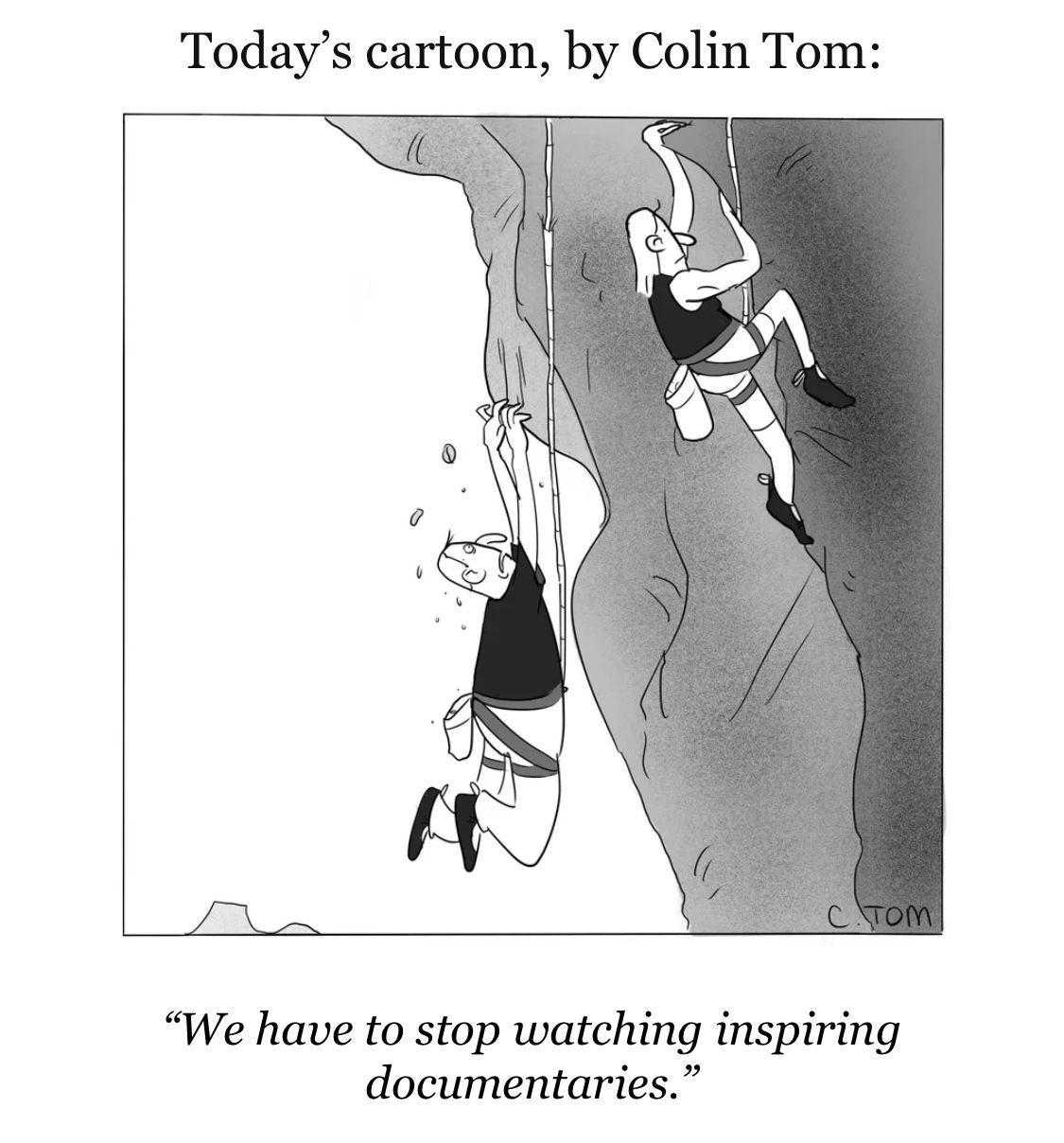
Watch how you approach challenges in your life.
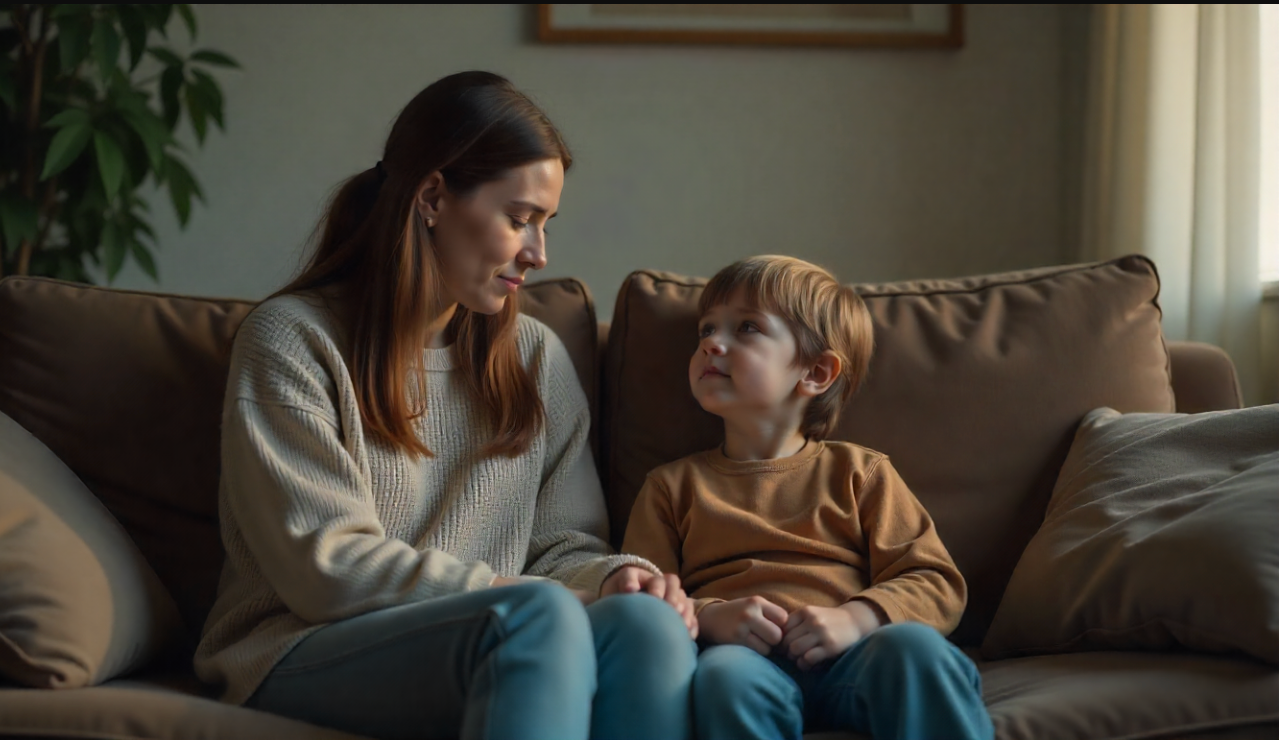
Helpful practical tips. Scripts for neurodivergent parents, for the moments that reliably go sideways.
Clients and therapists alike keep finding themselves in the overlap between undiagnosed autism, ADHD, OCD, and what looks like narcissistic parenting. What our families passed down may be wiring, and the generational trauma may be what came of nobody naming it.
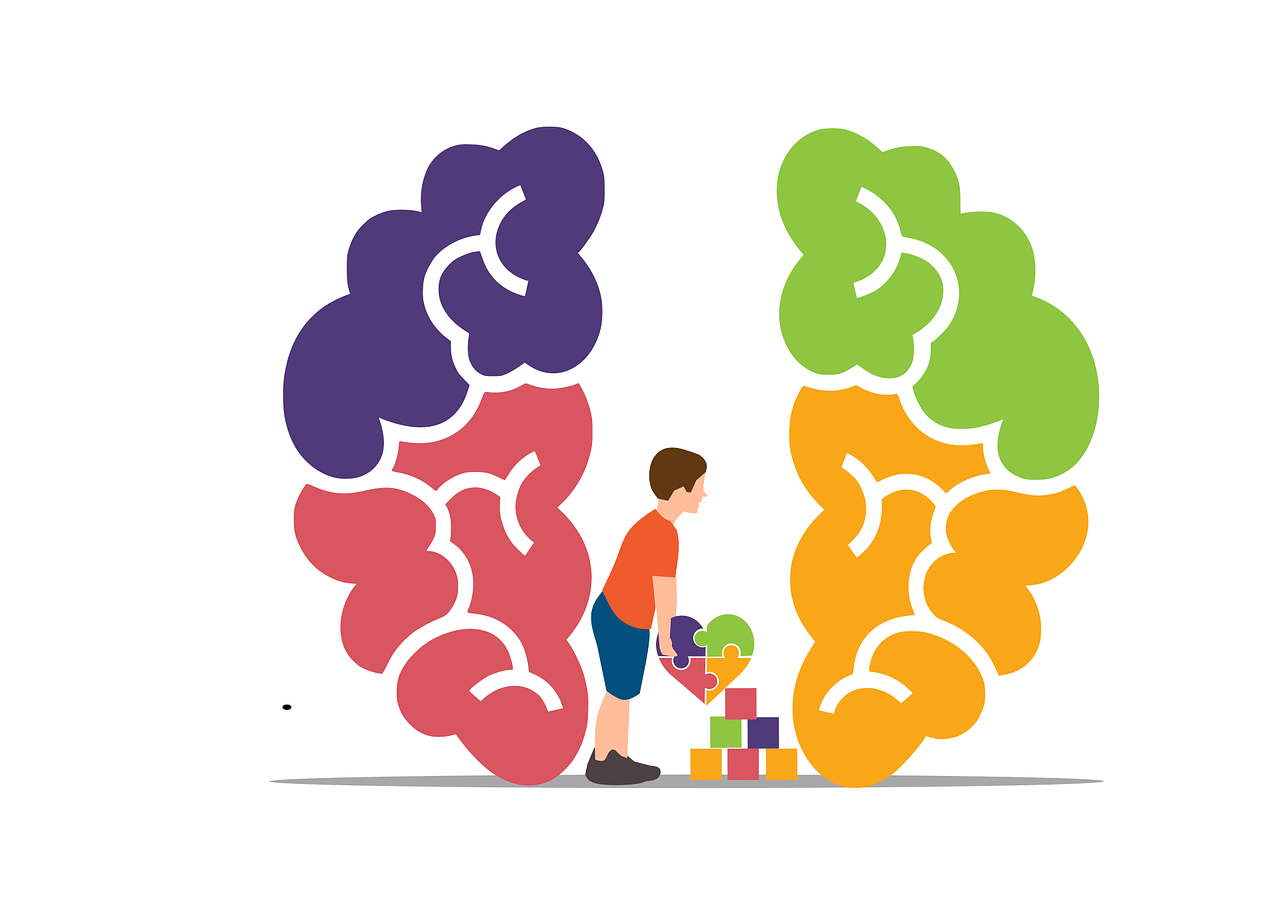
If you've ever had a client tell you a grounding exercise "didn't do anything" and weren't sure why, this reference is for you. It maps the common reasons resourcing stalls with neurodivergent clients — difficulty naming feelings, absent mental imagery, retrieval and attention differences, body-awareness and language-channel barriers — and pairs each with a practical adjustment. Observation-first and diagnosis-agnostic, it's meant to be usable at a glance, while flagging clearly which techniques sit within licensed clinical scope.