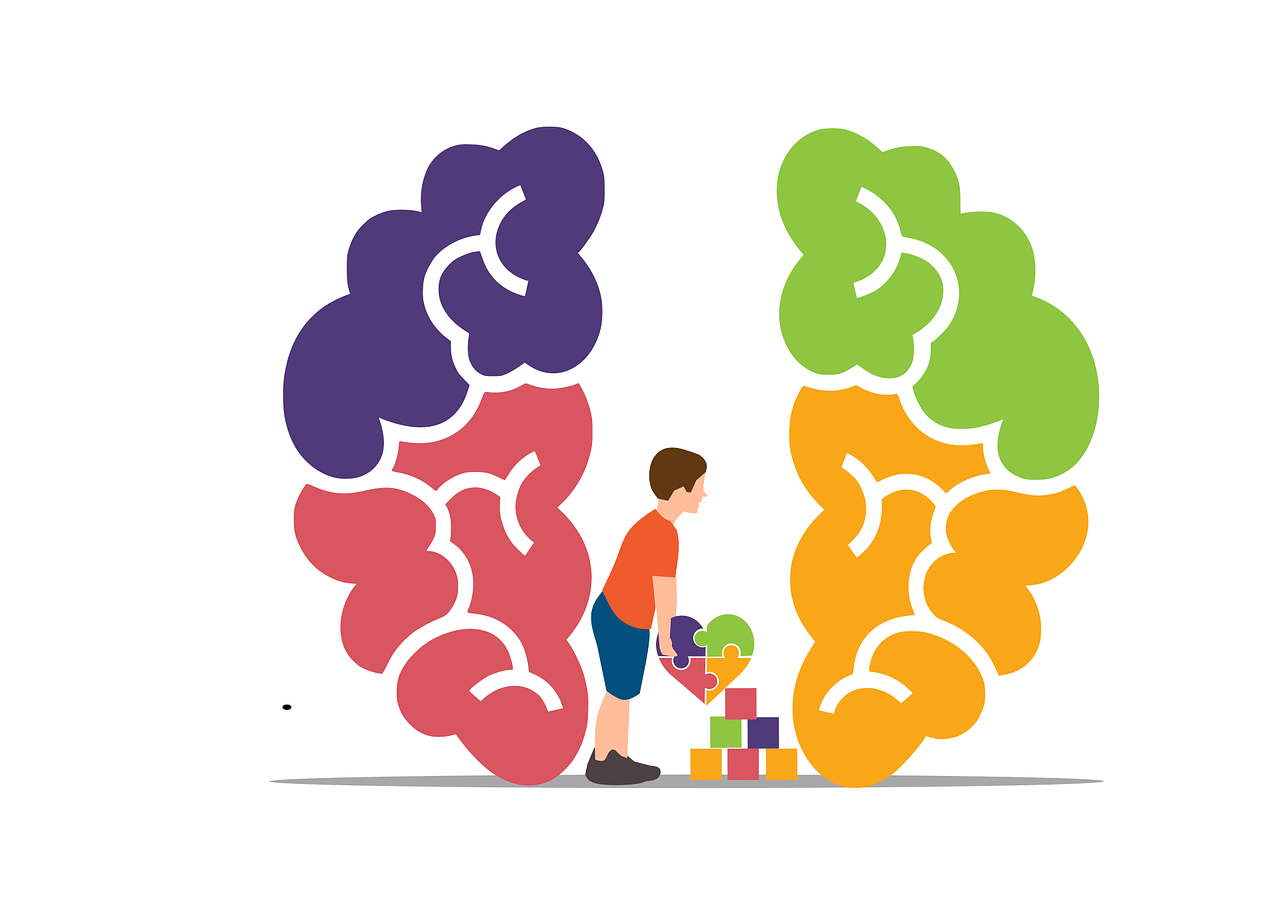
Coping Strategies for Those with Borderline Personality Disorder

Living with Borderline Personality Disorder (BPD) can present unique challenges, but effective coping strategies can lead to a better quality of life. Seeking guidance from a trusted therapist can provide invaluable support in navigating coping strategies and achieving well-being.
Understanding Borderline Personality Disorder: A Path to Healing
A skilled therapist can provide insights into the disorder, its symptoms, and how it affects daily life. There is also a lot that individuals with BPD can do to understand and manage their own condition. These include intense emotional experiences, unstable sense of self, difficulty regulating emotions and relationships, fear of abandonment, impulsivity, and self-harm behaviors. By being aware of these symptoms, individuals with BPD can work towards developing healthier coping mechanisms and building more stable relationships. Through tailored counseling and therapy, individuals can learn to recognize their triggers, manage intense emotions, and foster healthier relationships, ultimately leading to a more fulfilling and balanced life.
Building a Toolbox of Coping Skills: Embracing Resilience and Stability
Therapists specializing in BPD can help individuals build a toolbox of coping skills that are vital in managing the disorder. From mindfulness techniques and emotional regulation exercises to dialectical behavior therapy (DBT), a trusted therapist can guide individuals in acquiring and implementing these coping strategies effectively. Triggers are situations or events that cause a heightened emotional response, often leading to impulsive behaviors or emotional dysregulation. By identifying and understanding these triggers, individuals can take proactive steps to prevent negative outcomes. Mindfulness techniques such as deep breathing, grounding exercises, and meditation can help individuals stay present and manage intense emotions in the moment. Emotional regulation exercises like journaling, taking a walk, or engaging in a hobby can also aid in processing and managing emotions.
Nurturing Progress and Growth: A Therapeutic Partnership
Seeking support from a trusted therapist is not only about learning coping strategies but also about nurturing progress and growth. A therapeutic partnership offers a safe and non-judgmental space where individuals can explore their thoughts and emotions, address past traumas, and work towards healing and self-discovery. This partnership is built on trust, respect, and collaboration between the therapist and client. This can be a powerful tool in promoting emotional growth and self-awareness. Through this process, individuals gain insight into their behaviors, patterns, and relationships, which can lead to positive changes in their lives. With the guidance of a skilled therapist, individuals can embrace their journey of growth, develop a strong sense of self, and foster healthy connections with others.
Coping with Borderline Personality Disorder can be made easier with the help of a trusted therapist. With their guidance, individuals can understand the disorder, develop effective coping strategies, and nurture progress and growth toward a more stable and fulfilling life.
Ready to take the first step towards understanding and managing Borderline Personality Disorder through effective coping strategies?
Reach out to our experienced therapists to embark on a transformative journey toward healing and well-being.