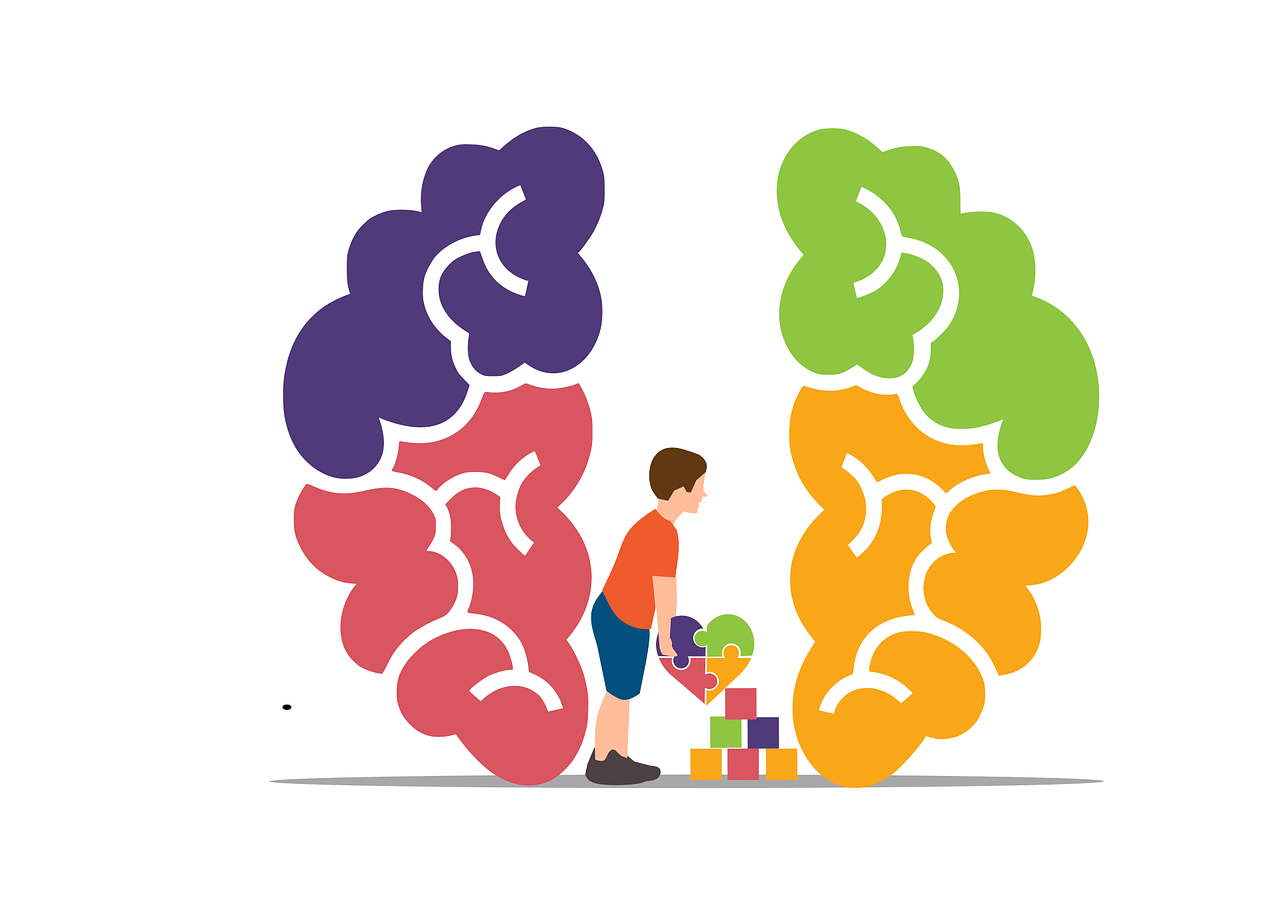
ADHD and Self-Esteem: Building Confidence in Kids and Teens

Living with Attention-Deficit/Hyperactivity Disorder (ADHD) can be challenging, especially for children and teenagers who often struggle with issues related to self-esteem and confidence. If you have a child or teenager with ADHD, it's essential to consider the transformative benefits of working with a trusted therapist.
Understanding the Impact of ADHD on Self-Esteem
ADHD can affect various aspects of a young person's life, from school performance to social interactions and self-perception. The constant struggles with focus, organization, and impulsivity can lead to frequent setbacks and frustrations. These challenges can erode a child's or teen's self-esteem, making them doubt their abilities and self-worth. Therapy provides a safe and supportive space for children and teenagers with ADHD to explore their feelings, frustrations, and self-perception. A trusted therapist can help them better understand their condition and develop coping strategies to manage ADHD-related difficulties. By addressing the emotional impact of ADHD, therapy can lay the foundation for improved self-esteem and confidence.
Building Self-Esteem Through Therapeutic Techniques
Therapists employ various techniques to build self-esteem and confidence in children and teenagers with ADHD. Cognitive-behavioral therapy (CBT) is often used to help young individuals recognize and challenge negative thought patterns and beliefs about themselves. CBT equips them with valuable tools to manage their ADHD symptoms effectively. Therapists also work on developing executive functioning skills, such as time management, organization, and impulse control. These skills are essential for academic success and personal growth. By improving executive functioning, therapy empowers kids and teens with ADHD to take control of their lives and build confidence in their abilities.
The Importance of Visiting a Trusted Therapist
Visiting a trusted therapist is crucial for children and teenagers with ADHD. A reliable therapist has the experience and expertise to create a customized treatment plan that addresses the specific needs of each young individual. They offer a non-judgmental and empathetic environment where kids and teens can express their thoughts and feelings freely. A trusted therapist also collaborates with parents and caregivers to provide ongoing support and guidance. They offer valuable insights and strategies for managing ADHD-related challenges at home and in school, fostering an environment that nurtures self-esteem and confidence.
With the support of a trusted therapist, young individuals with ADHD can develop the skills and strategies they need to build self-esteem and overcome the obstacles they face. Therapy provides a pathway to empowerment, resilience, and a brighter future.
Ready to help your child or teenager with ADHD build confidence and self-esteem?
Contact our trusted therapists today to schedule an appointment.