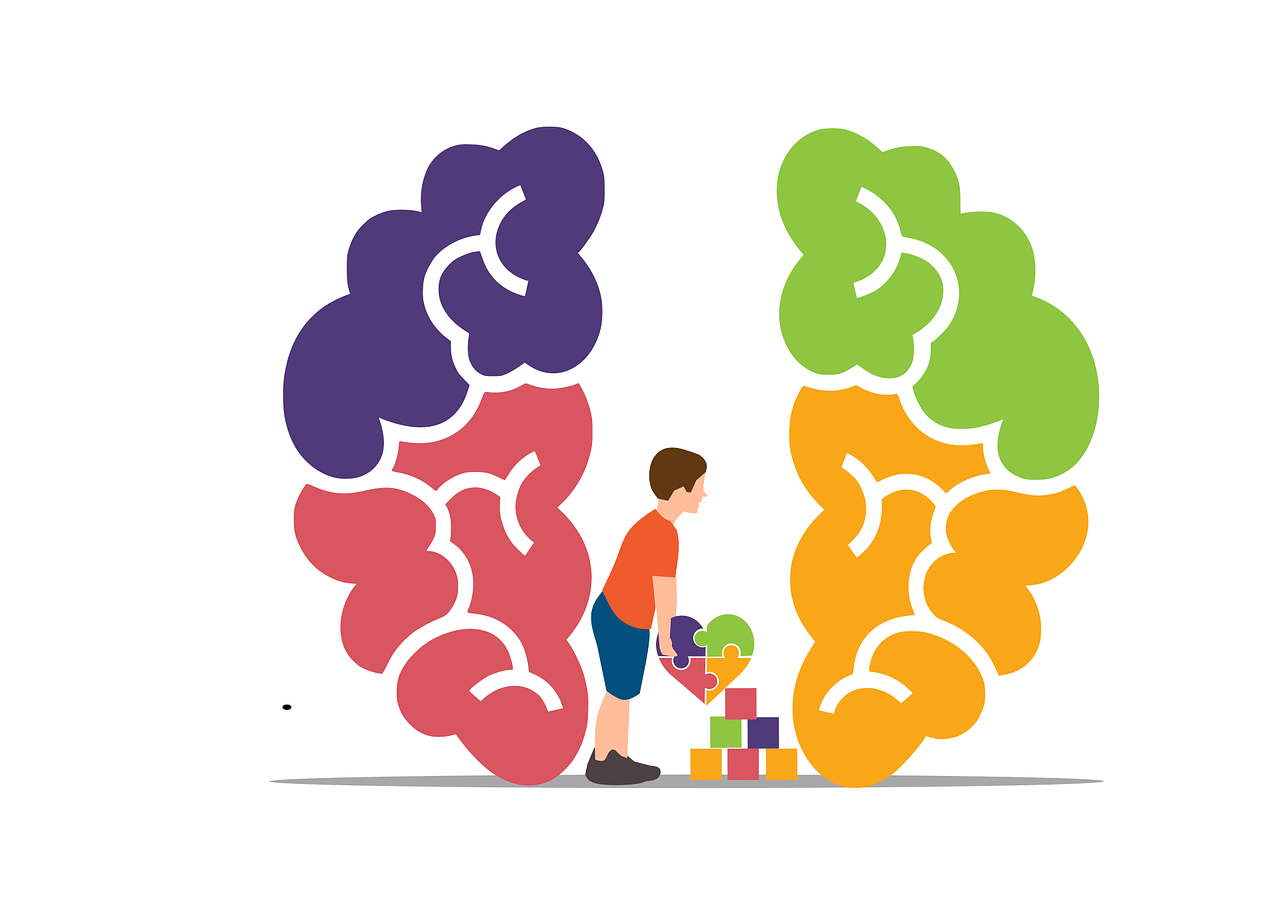
Depression and Sleep: Exploring the Bidirectional Relationship and Strategies for Improvement

The intricate relationship between depression and sleep is a topic of increasing relevance and concern in our fast-paced, stress-laden society. Many individuals find themselves trapped in a cycle where poor sleep exacerbates depressive symptoms, which in turn leads to further sleep disturbances. This bidirectional relationship creates a challenging scenario, demanding a nuanced understanding and approach.
Understanding the Link Between Depression and Sleep
Depression and sleep disturbances often exist in a complex, bidirectional relationship, where each condition can exacerbate the other. Understanding this link is crucial for anyone struggling with depression or sleep issues. Addressing one can often lead to improvements in the other, highlighting the importance of seeking comprehensive treatment strategies that focus on both mental health and sleep quality. When it comes to depression, getting a good night's sleep is essential for maintaining mental wellness. Sleep allows our bodies and brains to recover and recharge, providing us with the energy we need to face the day ahead. Without adequate rest, individuals may feel more irritable, moody, and exhausted - all common symptoms of depression.
Strategies for Improving Sleep and Alleviating Depression
Effective management of depression and sleep disorders involves a combination of lifestyle changes, therapeutic interventions, and possibly medication. Implementing good sleep hygiene practices, such as maintaining a regular sleep schedule and creating a restful environment, can significantly improve sleep quality. Concurrently, therapies like cognitive-behavioral therapy (CBT) can be effective in managing depression, further contributing to better sleep.
The Role of Professional Intervention
While self-help strategies can be beneficial, professional intervention often plays a key role in effectively managing the intertwined issues of depression and sleep disturbances. Mental health professionals can provide tailored therapy and treatment plans that address both conditions, offering a more holistic approach to recovery and improvement. Professionals are trained to identify and treat any underlying issues that may be contributing to both depression and sleep disturbances. One of the most common forms of professional intervention for depression and sleep problems is therapy. Therapy can help individuals develop coping mechanisms, challenge negative thought patterns, and learn skills for improving their overall well-being.
Cognitive-behavioral therapy (CBT) has been shown to be particularly effective in treating both depression and sleep problems. This type of therapy focuses on identifying and changing negative thought patterns and behaviors, helping individuals develop more positive ways of thinking and coping with difficult emotions.
If you're struggling with the interrelated issues of depression and sleep, don't wait to seek help.
Contact our team of experts today to explore a range of effective treatment options tailored to your needs.