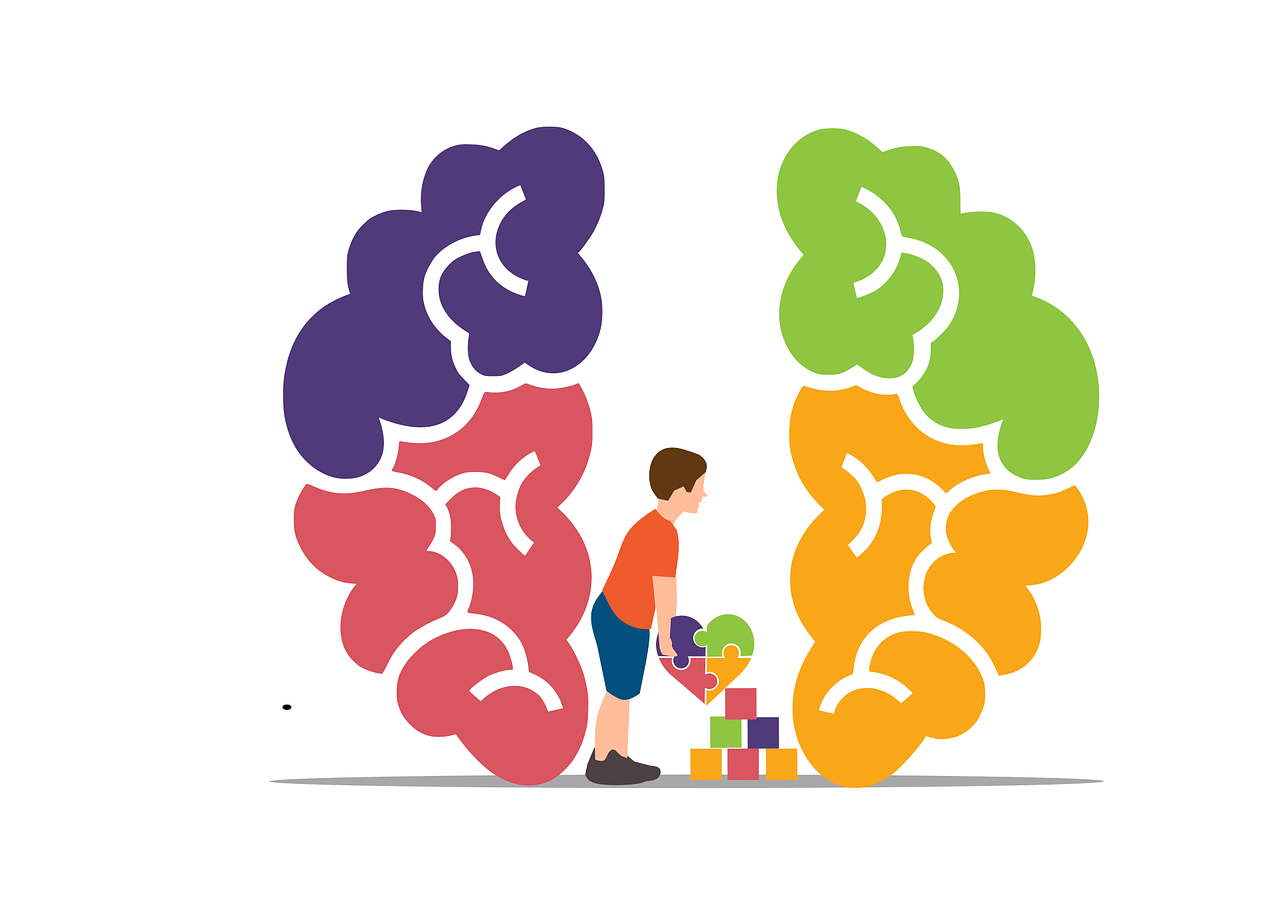
What is Emotional Self-Regulation? Part I. Feelings are Friends, Not Enemies
Understanding Feelings Paves the Road to Self-Regulation
There is no such thing as a bad feeling. All feelings are valid and of equal importance. However, some feelings are more uncomfortable than others. Feelings and emotions provide valuable insight into your thoughts; they are messengers that aim to inform your reactions to situations in constructive ways.
Often, children are told not to cry, to shake it off, or not to get upset. These types of reactions invalidate our feelings at a young age. If we are taught to push our emotions down or away as children, we won’t be able to use them as allies in adulthood.
By pushing away uncomfortable feelings in ourselves, we also tend to invalidate the feelings of those around us.
For example, we might judge and scold a friend who fears being abandoned by their partner. By saying something like, “Stop it. You don’t need anyone! You’re overreacting.” Judgment is a toxic reaction that doesn’t validate our friend’s feelings, forces them to suppress how they genuinely feel, and might be a reflection of our own fear and insecurity.
No feeling is toxic, but the reaction can be, so it’s essential to learn how to treat our uncomfortable feelings as friends, not enemies. Feelings, thoughts, and actions should be coordinated to adapt in ways that benefit us.
Negativity begets negativity, but joy and understanding will mirror themselves, too! When faced with an uncomfortable feeling, we are prone to make self-deprecating statements, judging our feelings, and making ourselves feel insecure and vulnerable.
However, when faced with an uncomfortable emotion, like anger or fear, we should face it, embrace it, and learn to understand it; this will help us gain control over our reactions and better empathize with others.
When an uncomfortable emotion strikes you, pause and reflect. Where are you noticing it in your body? Is your face flushed or tingling? Does your stomach feel cramped or tight? Is your brain fuzzy and rushing?
Notice these sensations and connect them to the emotion you are feeling: anger, embarrassment, disappointment, grief, etc., and then begin to be OK with feeling the emotion. Integrate the signals your body is sending you, accept the emotion, and then begin to adapt, adjust, or change your thoughts to deal constructively with the emotion.
For example, your boss comes to you Friday afternoon with notes on a project you handed in and spent all week working on, only to tell you that multiple changes are needed.
You may feel anger, frustration, and disbelief. You are worried this will hang over you all weekend and affect your mood. Your initial response is to snap at your boss and say something unpleasant.
However, you take a moment to notice the warmness of your cheeks and that your hands are clenching. You tell yourself, “I am mad, and this is unfair,” and then remind yourself, “It is ok to feel mad about this.”
The simple act of accepting the uncomfortable emotion lessens its power and control over you. Now, you can respond to your boss civilly and not allow it to ruin your weekend.
You might even be able to empathize with your boss, who probably didn’t want to deliver this news on a Friday afternoon, might have someone above them demanding changes, and have other struggles you’re not even aware of.
The more friendly we are with our feelings, even the most negative ones, the better we can adapt to match the situation and respond appropriately and constructively. Becoming friends with our emotions, especially those we don’t like, is a powerful tool for controlling our emotional regulation and skills.
Interested in enhancing emotional intelligence and regulation? Contact us