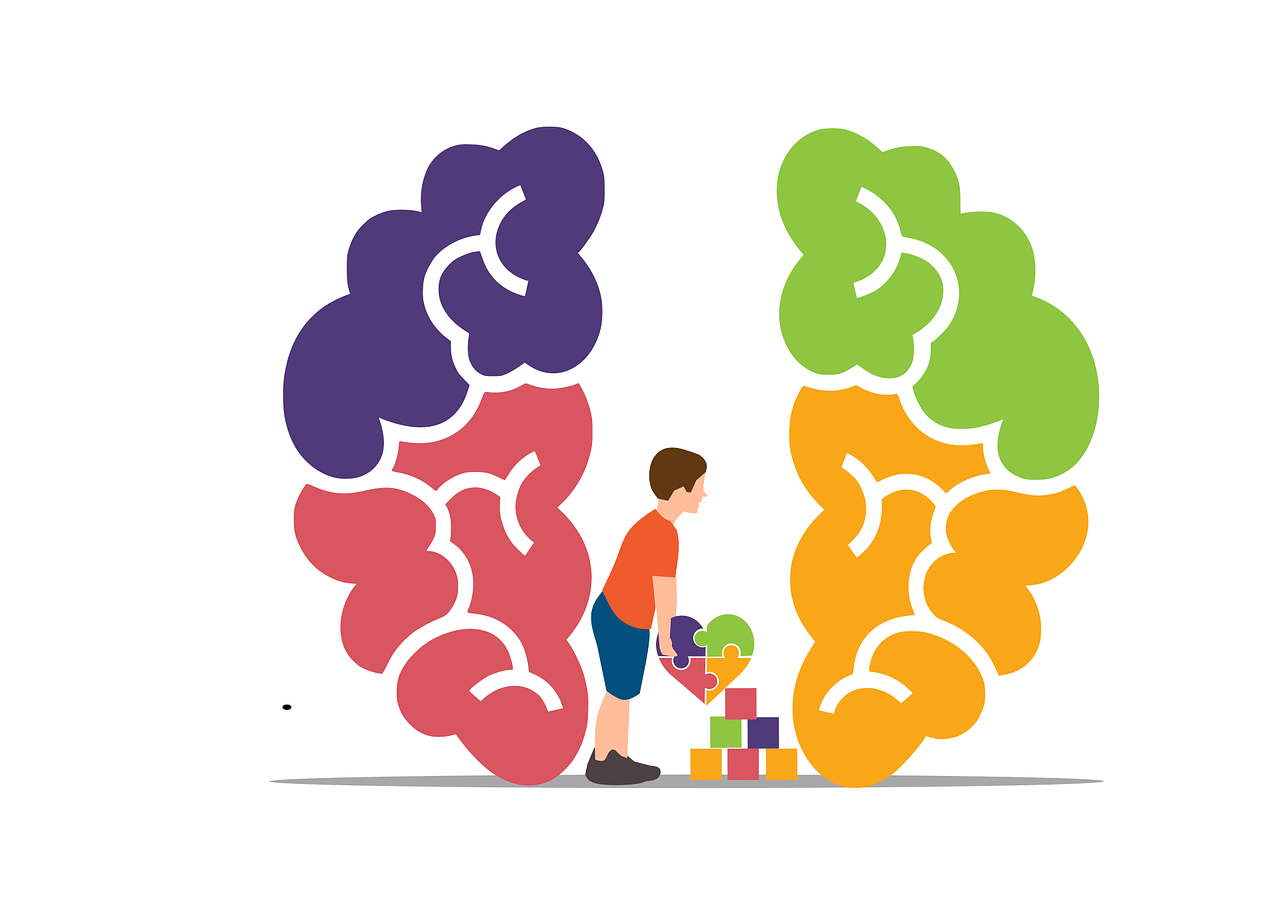
Embracing Vulnerability: Healing the Wounded Child in Internal Family Systems

Discover the transformative power of Internal Family Systems (IFS) therapy as we delve into the process of healing the wounded child within. Embracing vulnerability and seeking guidance from a trusted therapist can catalyze profound healing and personal growth.
Understanding the Wounded Child in Internal Family Systems
In Internal Family Systems therapy, individuals are seen as having various parts within them, each with its own unique experiences and emotions. One crucial part is the "Wounded Child," representing the inner child that holds past traumas, hurts, and unmet needs. This part of the self is often difficult to reach, as it has been damaged and has difficulty trusting. It can feel overwhelmed by emotions and its pain can be too much for the other parts to handle. The goal of Internal Family Systems therapy is to help the wounded child feel safe enough to come out from hiding and learn how to be healthy and whole again. With the help of a therapist, individuals can learn how to nurture their wounded child and provide what it needs in order to heal.
The Power of Embracing Vulnerability
Embracing vulnerability is a fundamental aspect of healing the Wounded Child. By acknowledging and connecting with the wounded aspects of ourselves, we open the door to self-compassion and understanding. In doing so, we create a safe space for healing and growth, allowing us to break free from old patterns and emotional burdens. Through the support of a skilled IFS therapist, individuals can explore their inner world, uncovering the origins of their wounds and working towards resolution. This process of embracing vulnerability can be challenging but is ultimately liberating, leading to increased self-awareness and emotional freedom.
Seeking the Guidance of a Trusted IFS Therapist
If you resonate with the concept of healing the Wounded Child and embracing vulnerability, seeking the guidance of a trusted IFS therapist can be a transformative step. A skilled therapist can provide a safe and non-judgmental environment for exploring your inner world, helping you navigate the complexities of your emotions and experiences. In IFS therapy, therapists work collaboratively with clients, helping them develop self-compassion and understanding for their wounded parts. As the healing journey progresses, clients often experience a greater sense of integration and harmony within themselves, leading to improved relationships and overall well-being.
By exploring the wounded parts within ourselves and seeking the support of a trusted IFS therapist, we open ourselves to profound healing, growth, and transformation. If you're ready to embark on this journey of self-discovery and healing, reach out to a skilled IFS therapist today and take the first step toward reclaiming your emotional well-being.
Are you ready to embrace vulnerability and heal your Wounded Child?
Reach out to us today and begin your path toward emotional well-being.